Tips on making your child's first ski adventure the best it can be
Weather
Parent Prep Tip: Always check the weather for the day of the lesson. Do not over dress your child on a warmer winter day. The students will be moving and too many layers can cause the child to sweat, which will make them colder.
On very cold days, make sure your child has warm layers of clothing. It can be hard to learn a new sport if you are too warm or too cold!

Starting Off Right
Please feed your child a healthy meal prior to the ski lesson. Skiing burns a lot of calories and hungry children (and adults) can have a difficult time concentrating. Bringing a water bottle for your child to leave somewhere near the lesson area can be helpful for staying hydrated.
Never underestimate the benefits of a good night's sleep!
Well rested children enjoy a day on the slopes much more than sleep-deprived children. A good night's rest means more energy, better focus, and a lot more smiles while learning to ski.
A little extra sleep the night before the lesson can make a big difference in creating a fun and successful first ski experience.
When you arrive at the mountain, it is always a good idea to point out the uniform colors of the Ski Instructors (varies from mountain to mountain) and Ski Patrol (usually red with a white cross) in case you become separated.

Setting Expectations
The muscles and movements used to ski are different than many other sports your child may participate in. Some very athletic children come to a ski lesson expecting to excel and realize that it can be frustrating to learn something new. Prepare your child that it may NOT come easy, but they will eventually get it and it can still be fun.
You know your child better than anyone. If your child is going to be upset if they see you while in their lesson, ask your instructor if there is an out of view location for parents to watch..
What to Wear
Ever wonder what to wear while you are skiing? It is best to dress in layers. As your child gets moving, being able to take a layer off is very helpful.
A base layer made out of silk, thermal material or smart wool is best for both upper and lower body.
One pair of thermal socks, preferably made from a thinner warm material like smart wool or silk works great. More socks do not make feet warmer! Our favorite saying is your ski boot should only have one foot and one sock inside. Avoid cotton socks, if at all possible.
A turtleneck shirt is the next layer for the upper body. Then add a fleece or warm sweater for the next layer.
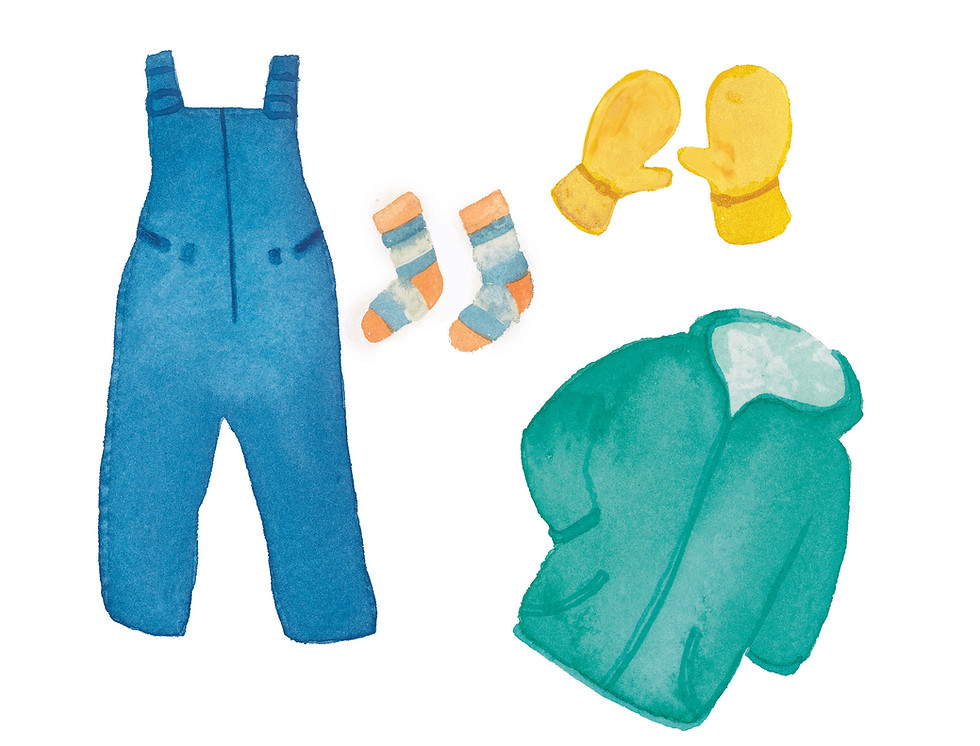
The outer layer should be a waterproof winter coat and waterproof snow pants. Children in the process of potty training will need extra time for making it to the bathroom if bib type pants are used.
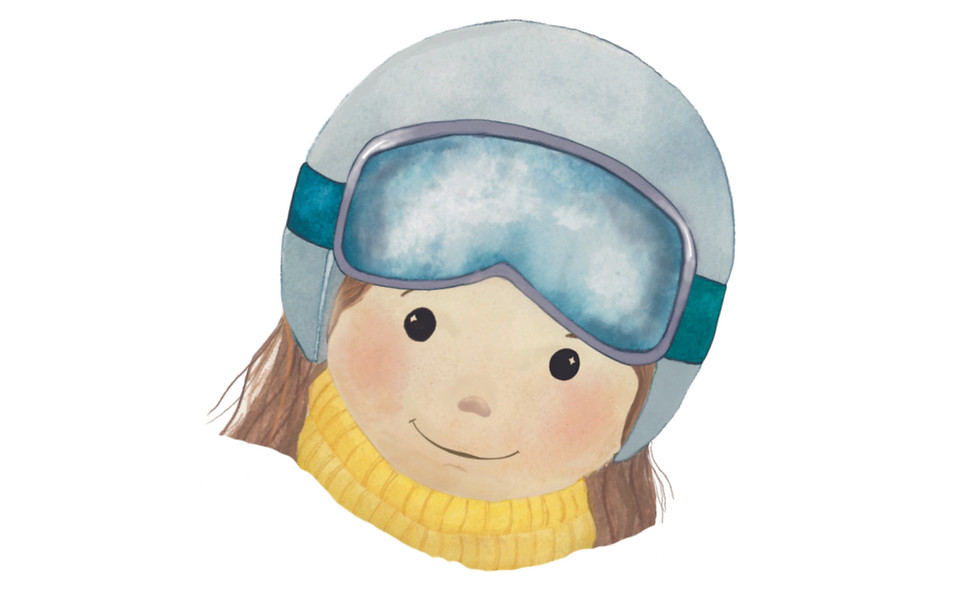
A hat can be worn until your child puts on their helmet. Helmets are warm and should fit snug, so a hat under the helmet is not recommended.
Well-fitting waterproof gloves are a must. Many ski areas will not allow children to participate in lessons without gloves. The snow can be abrasive on little hands when they fall.
Long flowing scarves are not recommended for skiing. Scarves can get caught on surface lifts and chair lifts and cause safety issues. A winter neck gator, a tubular fabric loop that can be pulled over your child's head, is a safer option.
Plan Your Day
Arrive early, smile more... give yourself pleanty of time. Many parents underestimate the amount of time it takes to get to the mountain, get the area passes, walk to the rental shop, get through the rental shop, have a bathroom break and arrive to the child's lesson area.
Many children that are extremely rushed or arrive to the lesson late, can have a less positive experience. Children who arrive a few minutes early can get a lay of the land, while moving around to stay warm. This way they can adjust to the new situation at their own pace.
The Golden Rule
The #1 piece of advice Ski Instructors give:
Never teach someone you like, love or have to drive home with... how to ski!
Learning a new sport can be frustrating for both kids and adults. Emotions can run high, patience can wear thin, and relationships can get a little...frosty!
Do yourself (and your relationship) a favor and let a professional Ski Instructor handle the first lesson. They'll teach the skills, build the confidence, and help make that first time experience a fun one.
Then you can spend the rest of the day making memories together on the slopes instead of arguing about pizza and french fries.
Pizza & French Fries Terms
Many instructors use 'pizza' and 'french fries' to describe the position of skis, but not all do. Make sure to ask your child's instructor at the end of the lesson for what terminology they used so that you can keep the same language when you are skiing with your child.
Chances are the teaching methods, language, and strategies of today's instructors may be different from when you learned how to ski. Keeping the wording consistent will help your child understand and grow as a skier.
Always leave with them wanting more!
Many children want to go out and ski with their friends or family after a lesson. This is an awesome way for them to reinforce their learning. A good rule of thumb is to always leave while your child still wants more. Too much of a good thing can make for a messy ending to a wonderful day.